Did Brunei Join Malaysia
Did Brunei Join Malaysia
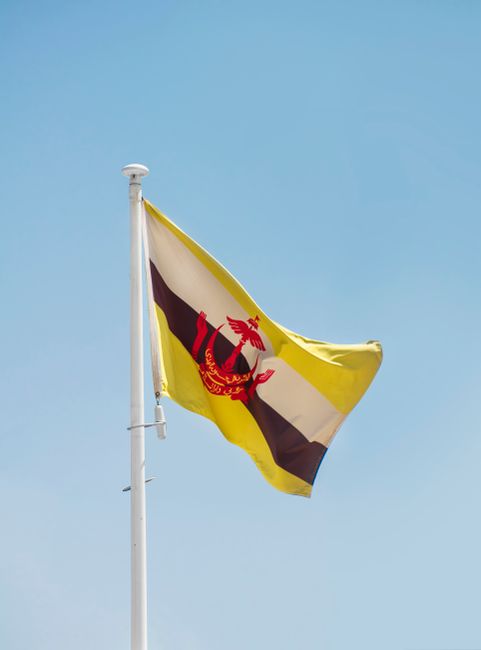
To answer the question directly, Brunei did not join Malaysia. Although Brunei was a British protectorate, just like the states that formed Malaysia, it chose to maintain its independence and did not become part of the Malaysian federation when it was formed in 1963. This decision was largely due to Brunei's unique historical, cultural, and economic circumstances, including its rich oil resources and the desire of its monarch, the Sultan, to preserve the country's sovereignty.
Historically, Brunei was once a powerful empire that controlled much of Borneo and the surrounding islands. However, by the late 19th century, its power had waned, and it became a British protectorate in 1888. This meant that while Brunei was responsible for its internal affairs, the British were in charge of its foreign policy and defense. As the British began to grant independence to its colonies in Southeast Asia, the question of Brunei's future arose.
More about why Brunei did not join Malaysia involves understanding the country's economic and political situation at the time. Brunei had discovered significant oil reserves in the 1920s, which made it one of the wealthiest places in the region. This wealth, combined with its small population, meant that Brunei could afford to maintain its independence without needing to join a larger federation for economic reasons. Additionally, the Sultan of Brunei was keen to preserve the country's monarchical system and Islamic traditions, which might have been compromised in a federal system like Malaysia.
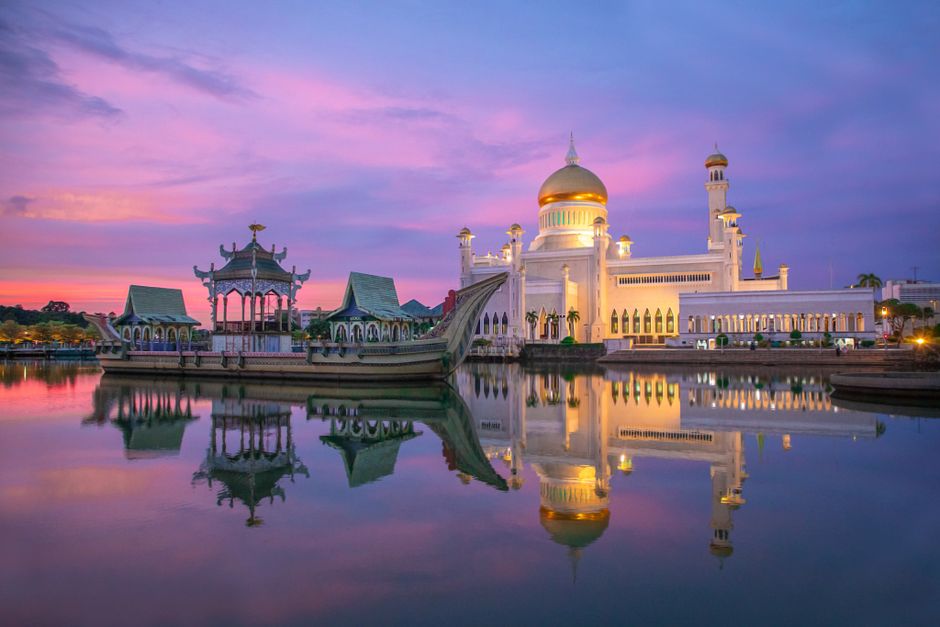
For travelers interested in exploring Brunei, there are several tour options available that showcase the country's rich history, stunning architecture, and untouched natural beauty. Visitors can explore the Sultan Omar Ali Saifuddien Mosque, one of the most beautiful mosques in the Asia-Pacific region, or visit the Istana Nurul Iman, the official residence of the Sultan, which is the largest residential palace in the world. Ulu Temburong National Park, often referred to as the "Green Jewel of Brunei," offers a chance to experience the country's pristine rainforest.
When it comes to accommodations, Brunei offers a range of hotels that cater to different budgets and preferences. From luxury resorts like the Empire Hotel & Country Club, which boasts stunning views of the South China Sea, to more budget-friendly options in the heart of Bandar Seri Begawan, visitors can find the perfect place to stay. The capital city also offers a variety of dining experiences, with a mix of local, Asian, and international cuisine.
Contact us to plan a tour, hotel, car rental or services in Did Brunei Join Malaysia
CULTURE & LIFESTYLE:
Brunei is a country deeply rooted in its Islamic traditions and Malay culture. The official language is Malay, but English is widely spoken, making it relatively easy for tourists to communicate. The local lifestyle is conservative, with a strong emphasis on respect for the monarchy and adherence to Islamic customs. Visitors are advised to dress modestly, especially when visiting mosques or attending cultural events. The country celebrates various festivals throughout the year, including the Hari Raya Aidilfitri (Eid al-Fitr) and the Sultan's birthday, which offer a glimpse into Brunei's vibrant culture.
Understanding local traditions and behavior is crucial for a respectful and enjoyable visit. For instance, removing one's shoes before entering a mosque or a home is a sign of respect. Similarly, using the right hand when eating or giving/receiving something is considered polite. Brunei is also known for its delicious cuisine, which includes dishes like ambush (a type of noodle soup), nasi katok (a simple meal of rice, fish or chicken, and a spicy sambal), and a wide variety of fresh seafood.
NEARBY PLACES:
Brunei is strategically located on the island of Borneo, making it an excellent base for exploring neighboring countries and territories. Here are a few recommended nearby destinations:
- Sarawak, Malaysia: Known for its stunning natural beauty, including the Mulu National Park, a UNESCO World Heritage Site, and its vibrant cultural scene, with a mix of Malay, Chinese, and indigenous influences.
- Sabah, Malaysia: Famous for its beautiful beaches, coral reefs, and the iconic Mount Kinabalu, the highest peak in Malaysia. Sabah is also home to the Sepilok Orangutan Rehabilitation Centre and the Bornean Sun Bear Conservation Centre.
- Labuan, Malaysia: A federal territory of Malaysia, Labuan is an island with a rich history, beautiful beaches, and a thriving financial sector. It's known for its duty-free shopping and as a base for offshore financial services.
- Indonesian Kalimantan: The Indonesian part of Borneo offers a unique blend of traditional cultures, vast rainforests, and wildlife, including orangutans and proboscis monkeys. Visitors can explore the Kayan Mentarang National Park or visit the historic city of Pontianak.
FAQ
Q: Is Brunei a part of Malaysia?
No, Brunei is not a part of Malaysia. It is an independent country located on the island of Borneo.
Q: Why did Brunei not join Malaysia?
Brunei chose not to join Malaysia due to its unique historical, cultural, and economic circumstances, including its rich oil resources and the desire to preserve its sovereignty and monarchical system.
Q: What are the must-visit places in Brunei?
Must-visit places in Brunei include the Sultan Omar Ali Saifuddien Mosque, Istana Nurul Iman, and the Ulu Temburong National Park.
Contact us to plan a tour, hotel, car rental or services in Did Brunei Join Malaysia