Does Brunei Have Oil
Does Brunei Have Oil
Yes, Brunei has oil. In fact, oil and natural gas have been the backbone of Brunei's economy since the 1920s. The country's oil reserves were first discovered in 1929, and since then, the oil and gas industry has played a significant role in shaping Brunei's economy and society.
A brief history of Brunei's oil industry reveals that the first oil well was drilled in 1929 by the British Malayan Petroleum Company, which is now known as Brunei Shell Petroleum. The discovery of oil in Brunei marked the beginning of a new era for the country, transforming it from a relatively poor and isolated state to one of the wealthiest nations in the world.
More about Brunei's oil industry, the country's oil reserves are estimated to be around 1.1 billion barrels, with the majority of the oil being extracted from the Seria field, which is one of the largest oil fields in Southeast Asia. The oil and gas industry accounts for around 60% of Brunei's GDP and 90% of its exports, making it the dominant sector of the country's economy.
For tourists visiting Brunei, there are several tour options available to learn more about the country's oil industry. The Seria Energy Lab, located in the town of Seria, offers guided tours of the oil and gas facilities, providing visitors with an insight into the history and operations of the industry. Additionally, the Brunei Museum in Bandar Seri Begawan has an exhibit on the country's oil and gas industry, showcasing the history and development of the sector.
When it comes to accommodations, Brunei has a range of hotels to suit all budgets. The Empire Hotel and Country Club is a popular choice, offering luxurious rooms and suites, as well as a range of recreational activities, including golf, tennis, and swimming. The Parkview Hotel in Bandar Seri Begawan is another option, providing comfortable rooms and a convenient location for exploring the city.
Contact us to plan a tour, hotel, car rental or services in Does Brunei Have Oil
Culture & Lifestyle
Brunei has a unique culture and lifestyle that is shaped by its Islamic heritage and Malay traditions. The country is an absolute monarchy, with the Sultan serving as the head of state and the head of the Islamic faith. The official language is Malay, but English is widely spoken, particularly in the tourism and business sectors.
Local traditions and customs play an important role in Bruneian society, with the country celebrating a range of festivals and events throughout the year. The Hari Raya Aidilfitri, which marks the end of Ramadan, is one of the most significant festivals in Brunei, with families gathering together to share food, exchange gifts, and visit mosques.
Visitors to Brunei should be respectful of the country's customs and traditions, particularly when visiting mosques or attending cultural events. Dress modestly, remove your shoes when entering mosques or homes, and avoid public displays of affection. Tipping is not expected in Brunei, but it is appreciated for good service.
Nearby Places
Brunei is strategically located in the heart of Southeast Asia, making it an ideal base for exploring the surrounding region. Some nearby destinations worth visiting include:
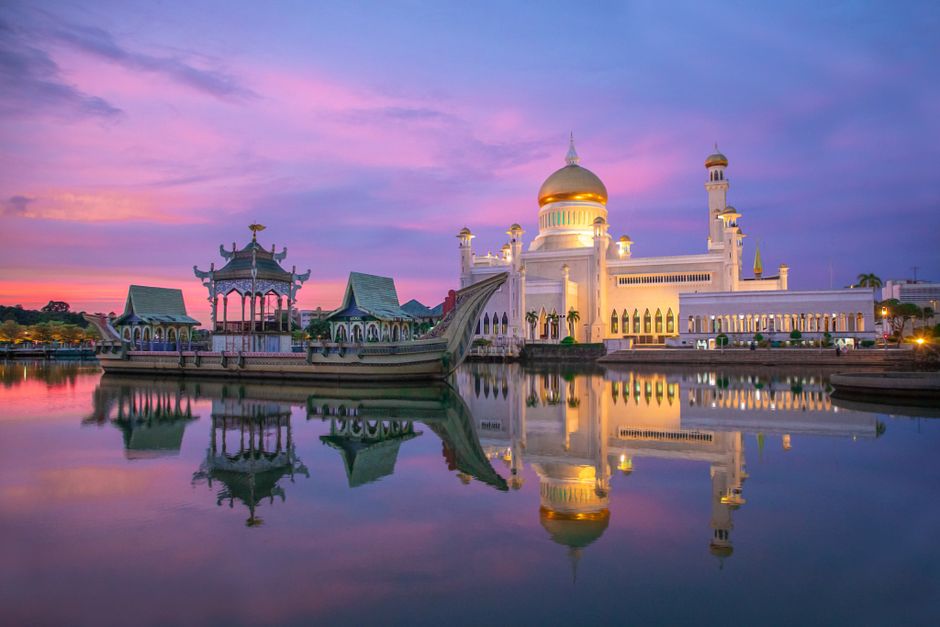
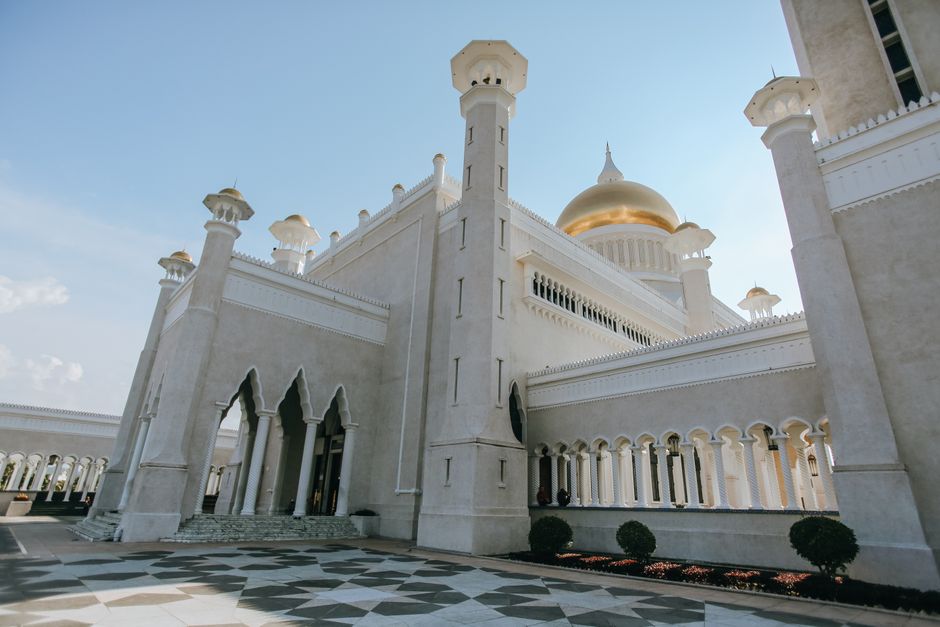
- Bandar Seri Begawan, the capital city of Brunei, which offers a range of cultural attractions, including the Sultan Omar Ali Saifuddien Mosque and the Istana Nurul Iman palace.
- Ulu Temburong National Park, which is located in the Temburong district and offers hiking trails, waterfalls, and stunning scenery.
- Kuala Belait, a town located in the western part of Brunei, which is known for its oil and gas industry and offers a range of recreational activities, including golf and fishing.
- Miracle Hill, a scenic spot located near the town of Kuala Belait, which offers stunning views of the surrounding countryside.
- Labuan, a federal territory of Malaysia, which is located off the coast of Brunei and offers a range of cultural attractions, including the Labuan Museum and the Chimney Museum.
FAQ
What is the main source of income for Brunei?
The main source of income for Brunei is the oil and gas industry, which accounts for around 60% of the country's GDP and 90% of its exports.
Is Brunei a good destination for tourists?
Yes, Brunei is a good destination for tourists, offering a unique blend of culture, history, and natural beauty. The country has a range of attractions, including the Sultan Omar Ali Saifuddien Mosque, the Istana Nurul Iman palace, and the Ulu Temburong National Park.
What is the best time to visit Brunei?
The best time to visit Brunei is during the dry season, which runs from February to September. The weather is generally hot and humid, with average temperatures ranging from 23-32°C.
Contact us to plan a tour, hotel, car rental or services in Does Brunei Have Oil